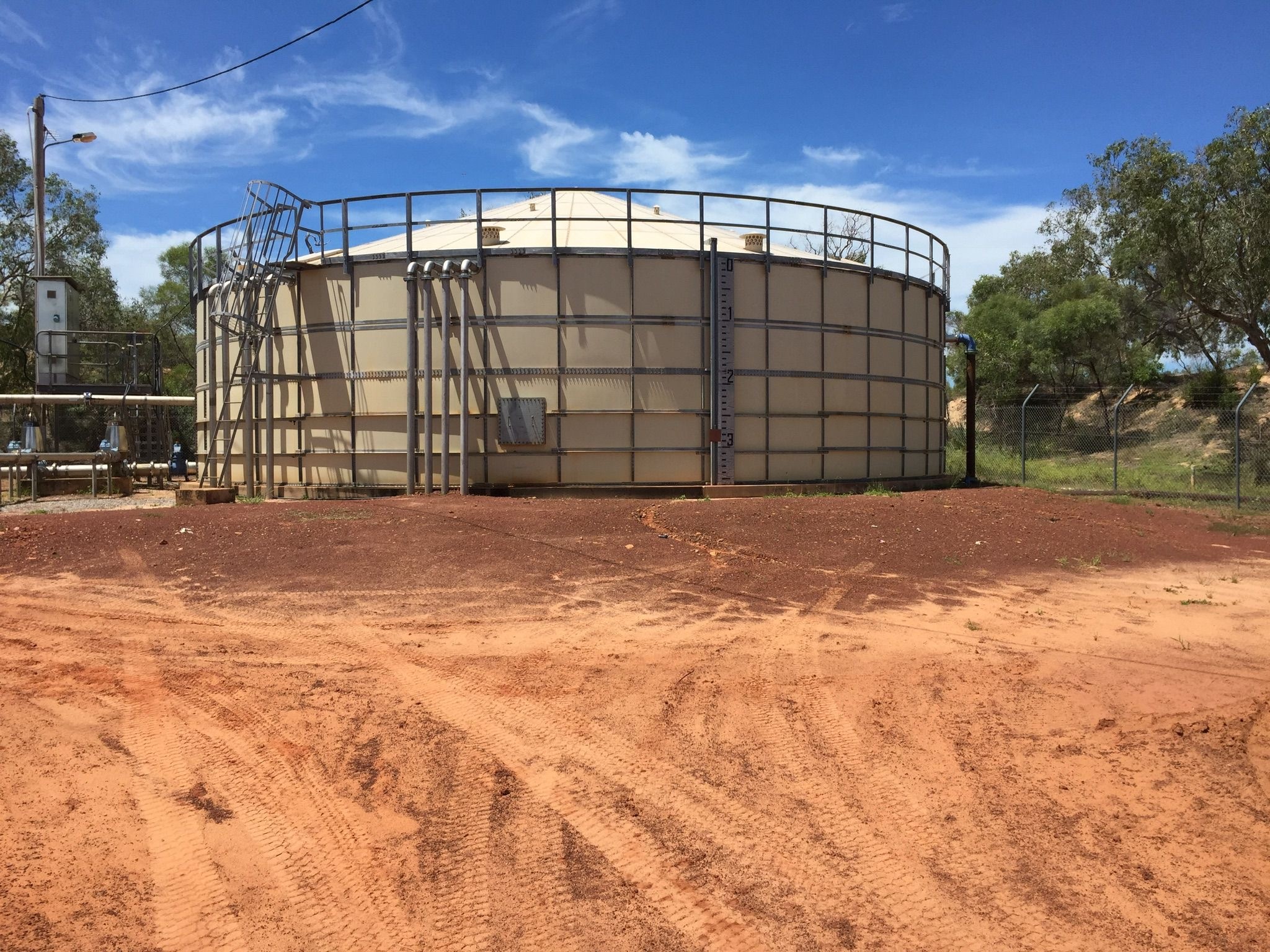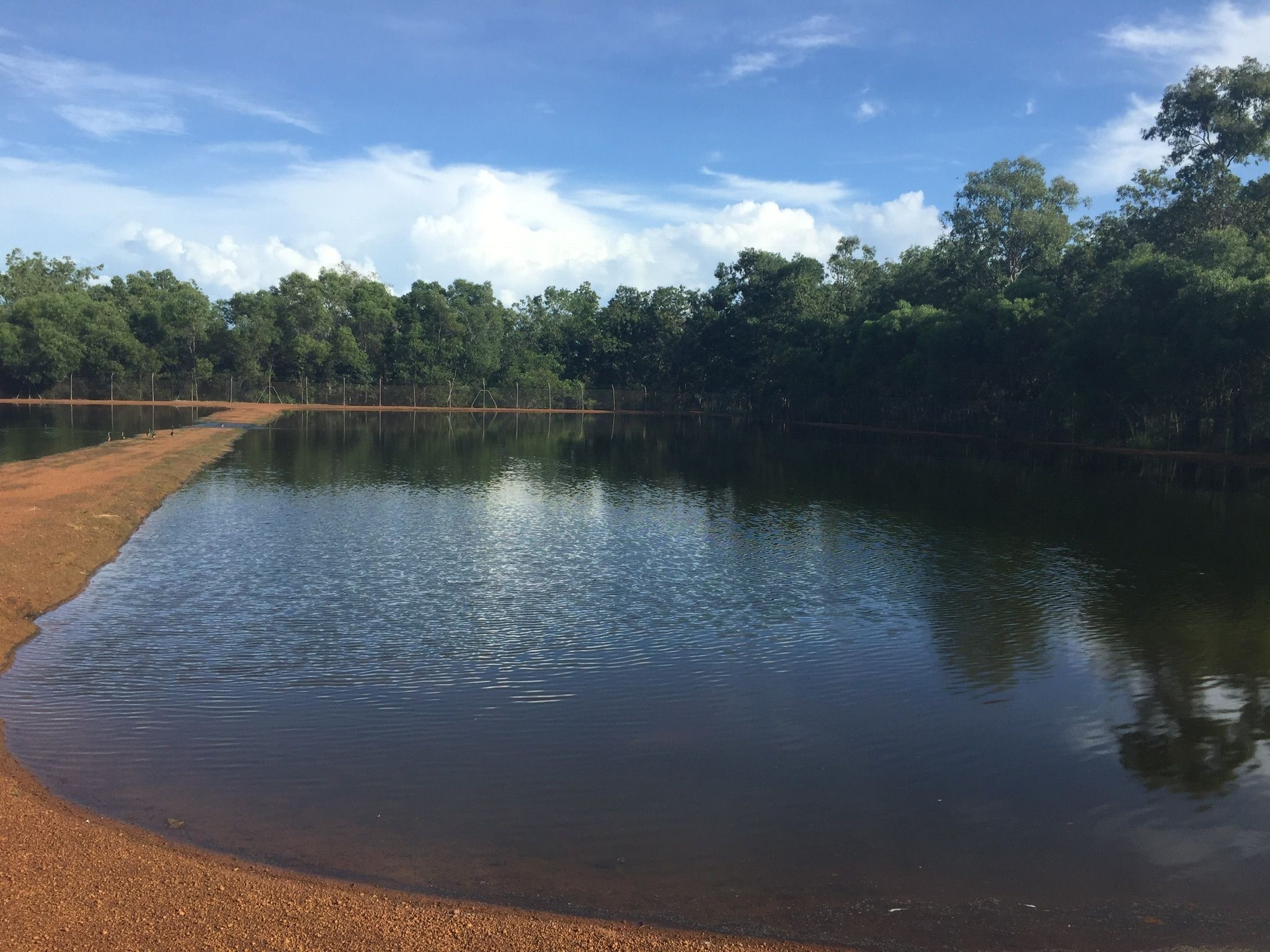
Water is something most people take for granted until something goes wrong. Whether you operate a hotel, healthcare facility, school, food business, industrial site, leisure centre, community water scheme or private water supply, providing safe and reliable water is fundamental to protecting public health, maintaining trust and supporting business continuity.
Many organisations assume that if water quality test results are acceptable, their water is safe. While monitoring is an important component of water quality management, testing alone cannot guarantee safety. Water quality results provide a snapshot from just one point in time and from a tiny proportion of the water supplied. They do not necessarily identify where risks exist within a system, how those risks are being
managed or whether controls are effective. This is where Water Safety Plans play a critical role.
A Water Safety Plan is a proactive, risk-based approach to managing water quality from source to consumer. Rather than relying solely on end-point testing, it focuses on understanding the entire water system, identifying potential hazards and implementing controls to prevent problems before they occur.
Originally developed by the World Health Organization (WHO), Water Safety Plans are now recognised internationally as best practice for drinking water risk management. While often associated with large water utilities, the principles are equally valuable for many organisations responsible for providing or managing water.
If your organisation is responsible for water, here are five questions worth asking.
Do We Know Where Our Water Comes From?
Understanding your water source is the foundation of effective water quality management. Water may be supplied through a public water network, a private bore, groundwater source, surface water source, rainwater harvesting system or a combination of sources. Each source presents different risks and requires different management approaches.
For example:
Groundwater supplies may be vulnerable to agricultural runoff, septic tank
discharges or naturally occurring contaminants.Surface water sources may be affected by weather events, catchment activities and environmental conditions.
Internal storage tanks and distribution systems can introduce risks even when incoming water quality is satisfactory.
Many organisations have limited visibility of their water supply system beyond the point where water enters their facility. A Water Safety Plan helps organisations understand the complete system and identify where vulnerabilities may exist.
2. Have We Identified Potential Hazards?
Water quality incidents rarely occur without warning signs. More often, they arise because hazards have not been fully identified or understood. Potential hazards may include:
Microbiological or chemical contamination
Treatment failures or inadequate disinfection
Poorly maintained infrastructure
Cross-connections
Backflow risks
Operational errors
Extreme weather events
Changes in source water quality
In larger facilities, risks can also exist within the internal distribution system Some examples
include:
- Dead ends in pipework
- Poor turnover in storage tanks
- Temperature management issues
- Legionella and opportunistic pathogen risks
- Cross-connections between potable and non-potable systems
A Water Safety Plan systematically identifies these hazards and evaluates the likelihood and consequence of potential failures. Importantly, it helps organisations move from reacting to incidents to preventing them.
3. Are Our Control Measures Effective?
Most organisations already have controls in place to manage water quality risks which may include:
Source Water Protection Programmes
Source Water Protection Programmes
Treatment processes and disinfection systems
Monitoring programmes and maintenance schedules
Operating procedures and staff training
Contractor management arrangements
The challenge is not whether controls exist but in understanding whether they are actually working and how effective they are. For example:
Are monitoring frequencies appropriate?
Are alarms functioning correctly?
Are operations of quality and critical control points being confirmed?
Are maintenance activities being completed and documented?
Are staff aware of their responsibilities?
A Water Safety Plan provides a framework for assessing control measures and identifying gaps before they contribute to an incident - or worse. It also supports continuous improvement by ensuring controls remain effective as systems, operations and risks evolve.
4. Would We Know If Something Went Wrong?
One of the most important questions any organisation can ask is:
How quickly would we know if water quality was compromised?
Many water quality incidents develop gradually before becoming obvious. Monitoring programmes should provide confidence that risks are being identified early enough for corrective action to be taken. This includes understanding:
- What is being monitored?
- Why it is being monitored?
- How frequently monitoring occurs?
- Who reviews results?
- What triggers action?
- How incidents are escalated?
Effective monitoring is not simply about collecting samples. It is about generating
meaningful information that supports decision - making and risk management. A Water Safety Plan establishes clear operational monitoring and verification requirements ensuring organisations can identify emerging issues before they become significant problems.
5. Could We Demonstrate Due Diligence?
Increasingly, regulators, customers, insurers, boards and stakeholders expect organisations to demonstrate that risks are being actively managed. If an incident were to occur
tomorrow, could your organisation demonstrate:
That risks had been identified?
That appropriate controls were in place?
That monitoring was occurring?
That responsibilities were clearly defined?
That decisions were supported by a structured management framework
Water Safety Plans provide evidence that organisations have taken a systematic and proactive approach to protecting public health. They support governance, accountability and transparency while helping organisations demonstrate due diligence and good management practice.
Water Safety Plans Are Not Just for Utilities
One of the biggest misconceptions about Water Safety Plans is that they are only relevant for water utilities. Any organisation responsible for providing water has a responsibility to understand and manage risks. In reality, many organisations can benefit from adopting Water Safety Plan principles, including:
Hotels and accommodation providers
Large complex buildings such as tower blocks, prisons and barracks
Healthcare facilities
Schools and universities
Food and beverage businesses
Community water schemes
Industrial and manufacturing sites
Organisations operating private water supplies
A Water Safety Plan Is Only Valuable If It Is Used
Another misconception about Water Safety Plans is that the work is complete once the document has been developed. In reality, developing the Water Safety Plan is only the beginning.
Throughout my career, I have developed and implemented Water Safety Plans and Drinking Water Quality Management Systems for large water utilities and organisations responsible for protecting public health. Through this experience, I have seen first-hand the value that Water Safety Plans can deliver when they are embedded into everyday operations and decision-making. One lesson consistently reinforced through this experience is that a Water Safety Plan should never be viewed as a document that sits on a shelf.
Water systems are dynamic! Infrastructure ages, operational practices evolve, staff change, new risks emerge and regulatory expectations continue to evolve. A Water Safety Plan must therefore evolve alongside the system it is designed to protect. For this reason, effective Water Safety Plans should be supported by:
Regular reviews and updates
Verification and operational monitoring activities
Internal audits and management reviews
Incident investigations and lessons learned
Review following operational or infrastructure changes
Staff training and awareness programmes
Clear governance, accountability and ownership
Organisations should also establish an audit and assurance framework to periodically assess whether identified risks remain current and whether control measures are operating as intended.
The organisations that gain the greatest value from Water Safety Plans are not necessarily those with the most comprehensive documents. They are the organisations that actively use them to inform decision-making, strengthen governance, improve operational performance
and continually reduce risk.
Ultimately, the goal is not to just produce a Water Safety Plan but rather to create a living risk management framework that supports better decisions, stronger governance and safer water every day.
Moving From Compliance to Confidence – Key Takeaway
Water quality testing will always remain important. However, testing alone does not provide assurance that risks are being effectively managed. A Water Safety Plan shifts the focus from compliance alone to understanding the system, managing risk and protecting public health. It provides organisations with a structured framework for identifying hazards, assessing risks, implementing controls and demonstrating due diligence.
For many organisations, the greatest benefit is not the document itself but the confidence that comes from understanding their system, knowing where risks exist and having appropriate controls in place to manage them. Ultimately, the question is not whether your water system contains risks as every system does but whether you understand those risks, have appropriate controls in place and can demonstrate that they are being effectively managed.
If the answer is uncertain, a Water Safety Plan may be one of the most valuable investments
your organisation can make.