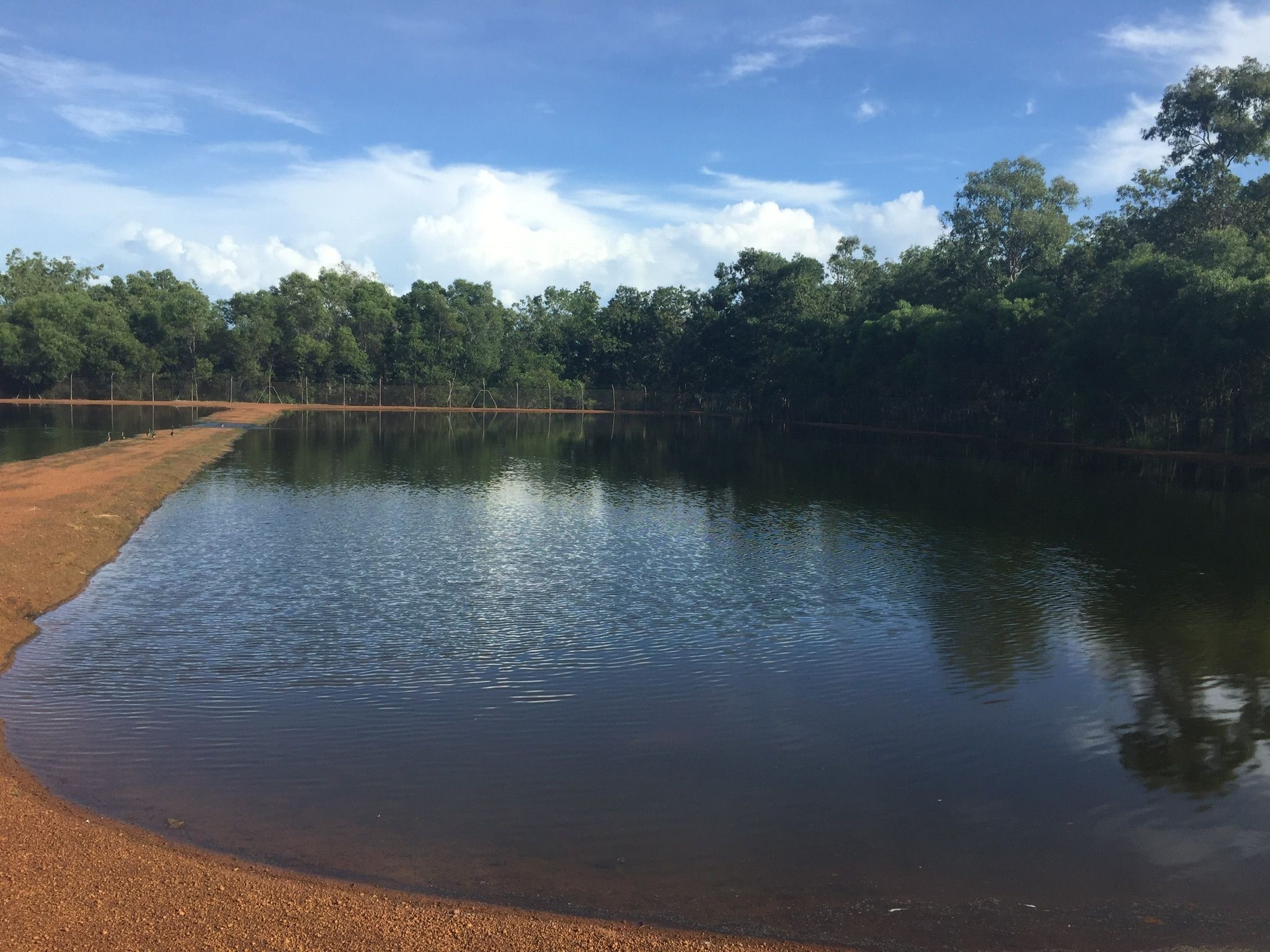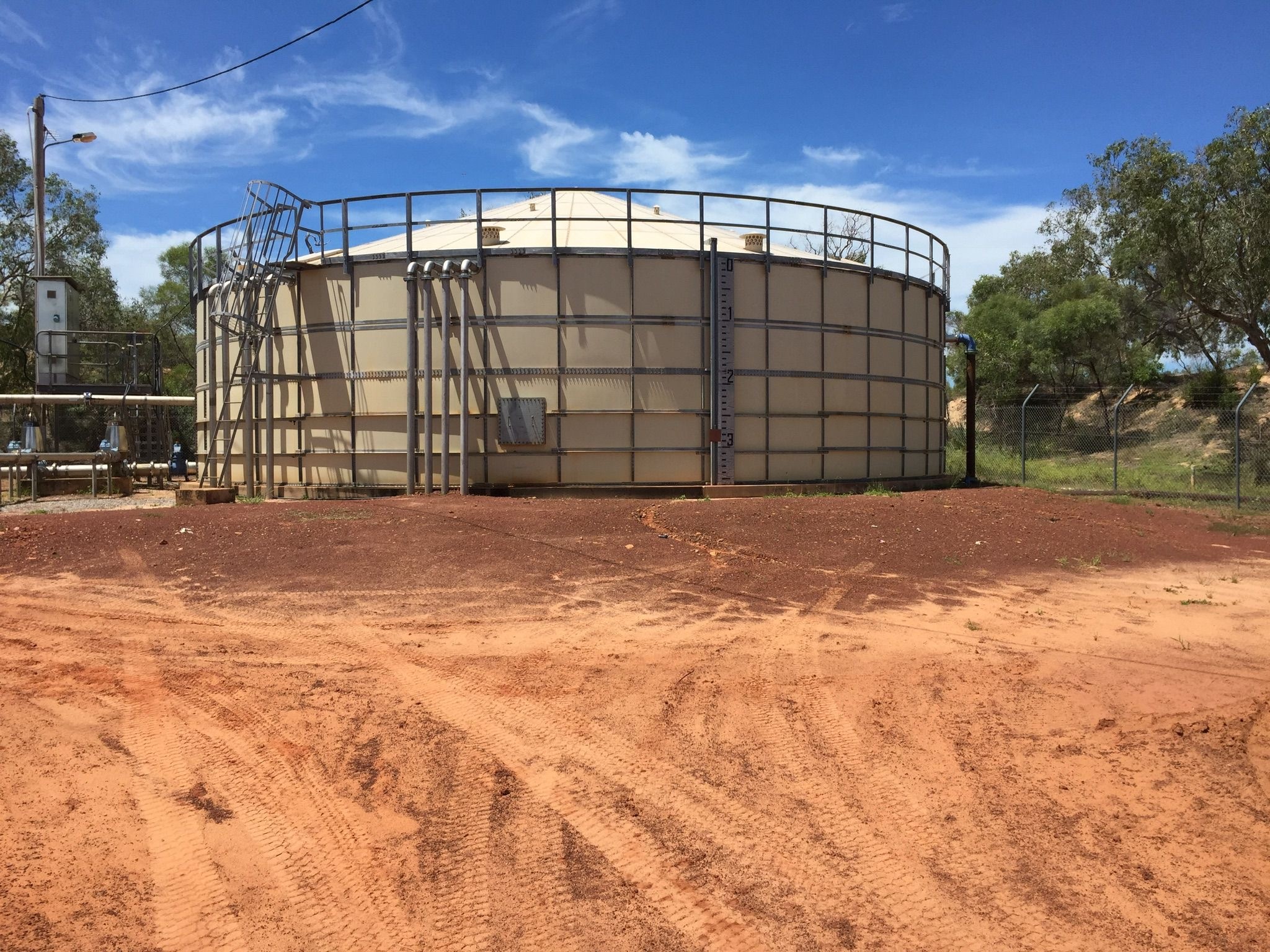
Water security is becoming an increasingly important consideration for many organisations.
Whether driven by growth, operational resilience, drought, climate impacts, rising costs or business continuity requirements, many organisations are exploring alternative water supplies to supplement or reduce reliance on traditional water sources.
This may include:
- Groundwater bores
- Surface water supplies
- Rainwater harvesting
- Recycled water
- Stormwater reuse
- Alternative bulk water sources
When organisations begin assessing alternative water supplies, the conversation often focuses on quantity, treatment systems, infrastructure and operational requirements.
However, one of the most important questions is frequently overlooked:
Is the source itself suitable, sustainable and capable of supporting your intended use?
Before investing in infrastructure and treatment systems, organisations need to understand not only the quality of the water source but also the risks, vulnerabilities, environmental considerations and regulatory requirements associated with developing that source.
Start With the Intended Use
Not all water requires the same level of quality. The requirements for drinking water, food production, manufacturing, cooling systems, irrigation and process water can vary significantly. Understanding the intended use helps determine whether a potential source is fit for purpose and what treatment barriers may be necessary and hence you need to know:
- What the water will be used for?
- What quality standards apply?
- What risks need to be managed?
- Whether treatment will be required?
Understand the Source Before Designing Treatment
A common mistake is to begin designing treatment systems before fully understanding the source water quality. A comprehensive source assessment should consider both current water quality and how that quality may change over time as water quality can vary significantly depending on:
- Seasonal conditions
- Rainfall events and/or drought
- Land use activities
- Agricultural practices
- Catchment characteristics
- Groundwater interactions
- Environmental conditions
Questions that should be considered include:
- What contaminants may be present?
- Are there microbiological risks?
- Are there chemical contaminants of concern?
- Is salinity suitable for the intended use?
- Are there risks associated with nutrients, pesticides or metals?
- How reliable is the source during different seasons?
- Could future land use changes affect water quality?
Only once these risks are understood can appropriate treatment requirements be
determined.
An Alternative Water Supply Requires More Than Water Quality Testing
Many organisations assume that if water quality results look acceptable, the source is suitable. In reality, developing a new water source requires a much broader assessment as a source that appears attractive today may not provide a sustainable long-term solution if the following factors are not considered:
- Is there sufficient water available?
- Will a water abstraction licence be required?
- Are there competing water users?
- How reliable is the source during drought conditions?
- Could climate change impact future availability?
- Are there environmental or ecological constraints?
- Could extraction impact nearby users or ecosystems?
Develop a Source Protection Plan
One of the most important but often overlooked aspects of developing an alternative water supply is source protection. A Source Protection Plan helps organisations understand and manage the risks that may affect source water quality and water availability over time. The purpose is not simply to assess the source today but to understand how it can be protected into the future. An effective source protection assessment should consider:
Water Resource Sustainability
Long-term source reliability
Water availability during drought
Future demand requirements
Abstraction licensing requirements
Competing water usersEnvironmental and Ecological Impacts
Potential impacts on waterways and aquatic ecosystems
Environmental flow requirements
Groundwater-dependent ecosystems
Wetlands and sensitive habitats
Downstream users and environmental valuesCatchment and Source Vulnerabilities
Every water source is influenced by activities occurring within the surrounding catchment or recharge area. Understanding these hazards helps identify where contamination could occur and what controls may be required to protect the source. For any source the following pressures or hazards may include:
- Agricultural activities
- Livestock access
- Wastewater discharges
- Industrial activities
- Chemical and fuel storage
- Mining activities
- Stormwater runoff
- Land development
- Transport corridors
- Historical contamination
- Recreational activitiesThe Multiple Barrier Approach Starts at the Source
One of the fundamental principles of modern drinking water management is the multiple barrier approach. Treatment systems are important, but they should never be viewed as the sole control measure. The most effective barrier is often preventing contamination from entering the source in the first place. Every risk managed within the catchment or source area reduces reliance on treatment systems and improves long-term resilience. This is why source protection forms a critical component of Water Safety Plans and drinking water risk management frameworks around the world.Building Long-Term Water Security – Key Takeaways
For many organisations, an alternative water supply is about more than reducing costs. It is about ensuring operational continuity, improving resilience and securing a reliable supply for the future. The most successful projects are those that begin with a clear understanding of:The intended use
Source water quality
Treatment requirements
Resource sustainability
Environmental impacts
Source protection risks
Regulatory obligations
Only then can organisations make informed decisions about the infrastructure, treatment systems and operational controls required to support a safe, reliable and sustainable water supply. Ultimately, the best alternative water supplies are understood, protected and managed from source to use.